
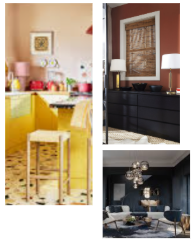
Did you know that a color could have the possibility to lower your heart rate and blood pressure? If you didn’t, then now you know! Things like space perception, color psychology in inside places, and colors affecting room vibes are things that I will be going into in this story, so you can know more about how colors affect interior design.
How can colors affect the perception in interior design? Well, the answer to this is that while colors affect the perception, lighting also lends a helping hand in making the room look bigger or smaller with certain colors. White is a great color to use when there is lighting in a room; it does its job of making it look bigger. But with a room with not enough light, the color can actually make the room seem smaller! According to this link, light-reflecting colors will mostly be the ones to help with making a space seem bigger, while colors that are rich or deeply pigmented will do a good job of making a space look seemingly smaller.
“Beyond mere aesthetics, colors can stimulate emotional responses and influence productivity, energy levels, mood, and self-esteem,” says Ducy Design. What this means is that by knowing how color impacts interior design, you can find what improves/helps a certain area of your brain, like concentration, or why you like certain colors. Colors like blue, which is a cool-toned color, can help with your relaxation or clarity, while red can invoke stuff like warmth.
People’s association with certain colors and certain things can affect the overall mood of a room. Certain colors, like, for example, blue and light beige, can take some people back to the beach or sea. When people see these colors in interior design, it can evoke memories about such places such as that same beach or sea. This can happen even at the regular, like how when people associate the color sepia with old things like maps or photos, it’s a moment from the past in cinema etc, designs with the color can signify a nostalgic feel to the person seeing the interior. Colors in interior design can give people a sense of the atmosphere the designer created for the building.
In conclusion, colors affect space perception, dictate mood, and the recollection of memories. There are many more examples of colors affecting mood other than red and blue, or the specific colors that can make a room seem bigger or smaller. If you want to learn about the specifics, you can check this link or this other one.